The almost-always-yes answer
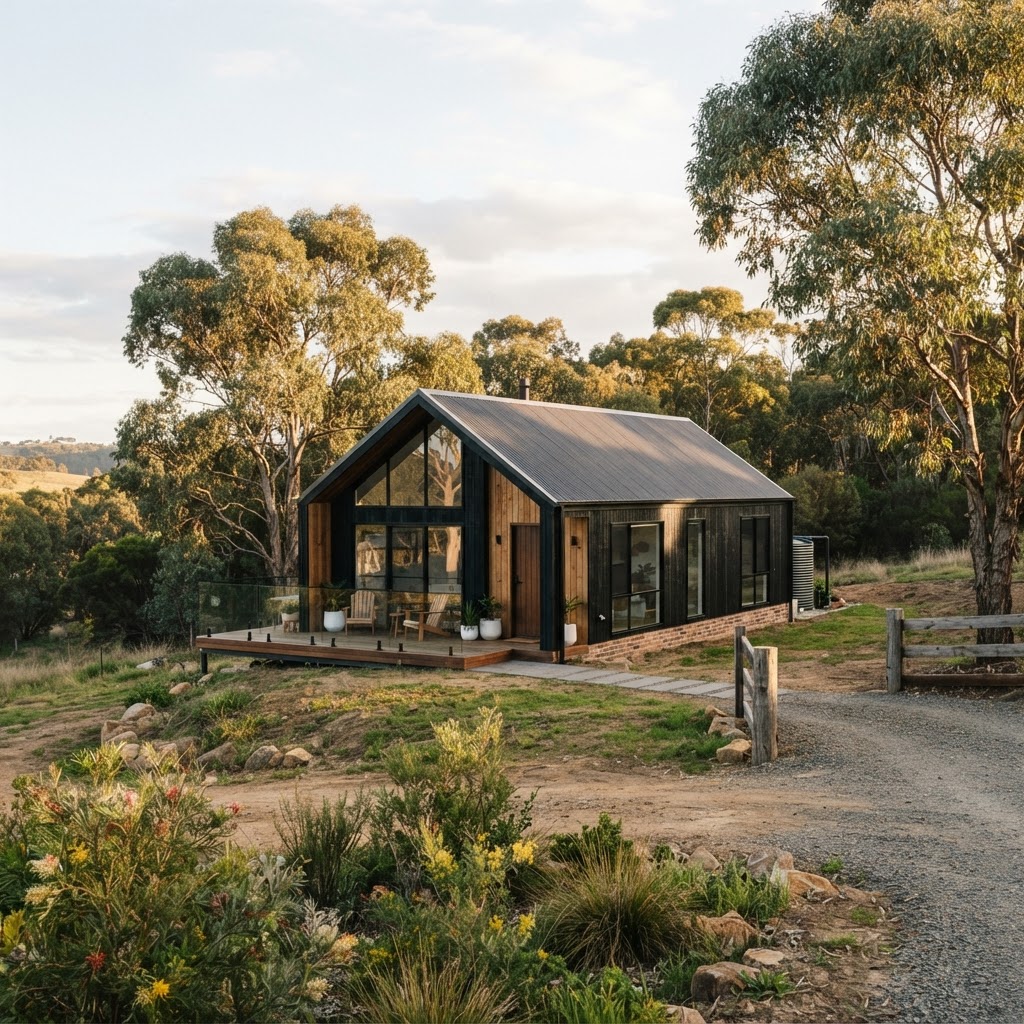
If the structure is a habitable dwelling — somewhere people live or sleep — you almost certainly need a building permit. This includes expandable cottages, transportable homes, granny flats, cabins and tiny homes used as dwellings. The fact that the cottage is built in a factory and transported to site does not exempt it from the building permit requirement. A building permit must be issued before the cottage is installed and occupied. This is not a grey area — it's the law in every Australian state and territory.
The narrow exemptions
Exemptions are limited and vary by state. They typically include very small non-habitable structures (a garden shed under a certain floor area, often around 10m²), some minor repairs and maintenance, and certain farm buildings. A habitable cottage — even a small one — does not fall within these exemptions. If you're unsure whether an exemption applies, check with your local council or a building surveyor before proceeding. Assuming an exemption that doesn't exist leads to the same penalties as building without a permit.
Why 'transportable' doesn't mean 'permit-free'
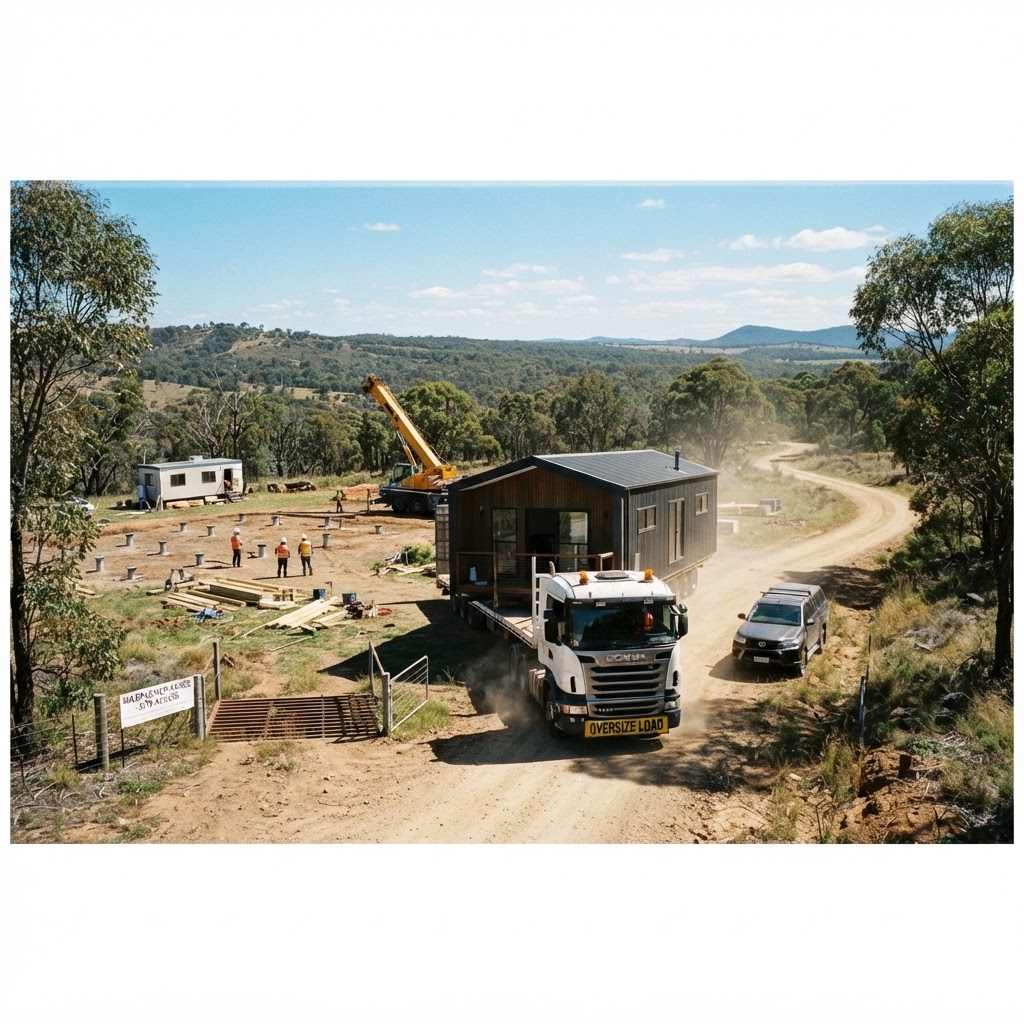
Some people assume a transportable cottage doesn't need a permit because it arrives on a truck and sits on the ground. This is incorrect. Once a dwelling is placed on a property and used for habitation, it requires a building permit regardless of how it was built or how it's fixed. The building surveyor needs to confirm the structure meets the NCC for the site — wind rating, BAL, foundations, energy, plumbing and electrical. 'Transportable' describes the construction method, not the regulatory status. The truck doesn't change the law.
Tiny homes on trailers: the grey area
This is a common grey area. A tiny home on a registered trailer that's used as a vehicle (moved regularly, registered, used for temporary accommodation) may be treated differently. But the moment it's parked on a property and used as a permanent dwelling, the building permit requirement typically applies. Each state handles this slightly differently, and councils are increasingly scrutinising tiny homes used as permanent dwellings. If you intend to live in it permanently, get advice from a building surveyor before committing — don't assume the trailer exempts you.
Building without a permit: the real consequences
Building without a required permit can lead to: stop-work orders, fines (which can run into thousands or tens of thousands of dollars), orders to remove the unapproved structure, difficulty selling the property, and insurance that won't pay out on unapproved works. If you've already installed a cottage without a permit, a building surveyor may be able to issue a retrospective certificate of compliance — but this is more expensive and complex than doing it right the first time, and it may not be possible if the structure doesn't meet current standards. The penalties are real and they escalate.
How to get a definitive answer
The most reliable way is to speak with a registered building surveyor early in your project. They can tell you whether a permit is required, what documentation you'll need, and an indicative timeline and cost. You can also check your state's building authority website for exemption lists. Don't rely on a supplier telling you 'no permit needed' — the requirement is determined by the building surveyor and your state's legislation, not by the manufacturer. A supplier who tells you to skip the permit is exposing you to legal and financial risk.