Services

Septic Systems Explained

When septic is required, the types available, council approval, land area needed, and maintenance.

Reading time

11 min read

Last reviewed

August 2026

Applies to

VIC · NSW · QLD · SA · TAS · WA · NT

Covers

On-site wastewater · Septic types · Council approval · Setbacks · Maintenance

When septic is your only option

A septic (on-site wastewater) system is required when your property is not connected to a reticulated sewer mains. This is common on rural properties, acreage, and some fringe suburban blocks. If you can connect to sewer, you generally must — most states require connection where it's available. If you can't, you need a council-approved wastewater system before a building permit can be issued. The septic system is a prerequisite for the building permit on a non-sewered property, not an afterthought.

The five system types compared

Common types include: conventional septic tanks with absorption trenches (the simplest and cheapest, but needs suitable soil and adequate space), aerobic treatment units (ATUs) that treat effluent to a higher standard for surface or subsurface irrigation, sand filters for higher-quality treatment, mound systems for poor-draining soil or high water tables, and composting toilets (for black water only, with grey water handled separately). The right choice depends on soil, water table, lot size, the number of occupants, and the council's requirements.

Council approval: what and how long

A septic system requires approval from your local council (or, in some states, a water authority) before installation. You'll need a wastewater design — usually prepared by a plumber or wastewater consultant — that shows the tank, treatment method, and disposal area (trenches, irrigation, or mound). The design must meet state EPA requirements for setback distances from boundaries, watercourses, and groundwater bores. The approval process typically takes 4–8 weeks once a complete design is submitted.

Land area, soil and setbacks

Septic systems need space: the disposal area must be set back from buildings, boundaries, watercourses, and groundwater bores by specified distances (often 10–100 metres depending on the system and state). Small lots may not have room for a conventional absorption trench system. A wastewater assessment early in the process confirms whether your lot can support a system and which type. If the lot is too small or the soil too poor, an ATU or mound system may be the only option — at higher cost.

Maintenance: the ongoing obligation

Septic systems require maintenance: periodic pump-out of the tank (every 1–5 years depending on use and type), inspection of the disposal area, and for ATUs, quarterly or annual servicing. Some councils require a maintenance agreement and periodic reporting. Budget for ongoing operating costs — a neglected septic system fails, blocks, and can contaminate groundwater and waterways, leading to enforcement and costly remediation. A septic system is not 'install and forget'.

Black water vs grey water

A septic system handles all wastewater (black water from toilets and grey water from sinks, showers, laundry). Some properties use a composting toilet for black water and a separate grey water system for the rest. This can reduce the septic system size, but the grey water system still needs council approval and proper design. See our grey water and off-grid guides for the combined approach.
The Septic Approval & Installation Process

From wastewater assessment to a council-approved system.

Wastewater assessment (soil, water table, lot size)
System type selected
Wastewater design prepared
Council approval (4–8 weeks)
Licensed plumber installs
Council inspection
System commissioned & maintained

In practice

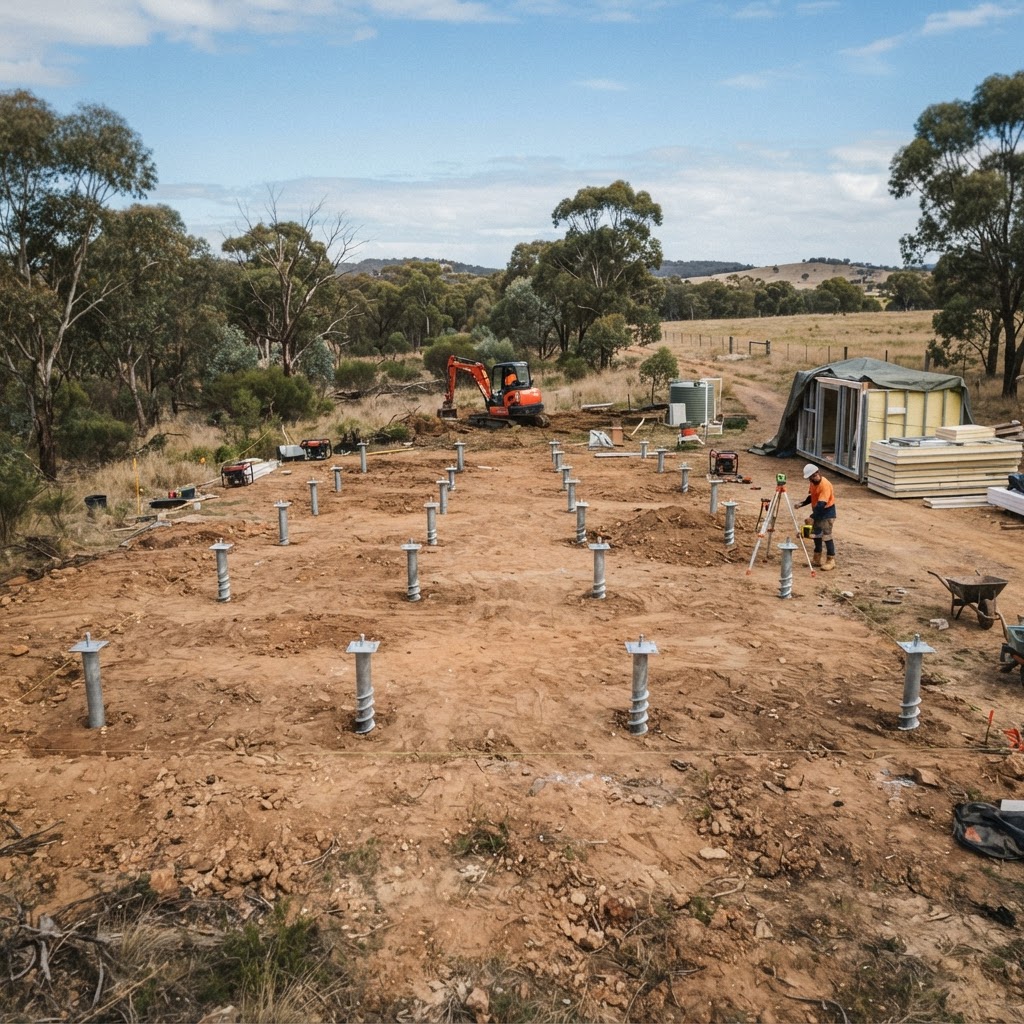
Site preparation includes the septic disposal area — setbacks from boundaries and watercourses must be met.
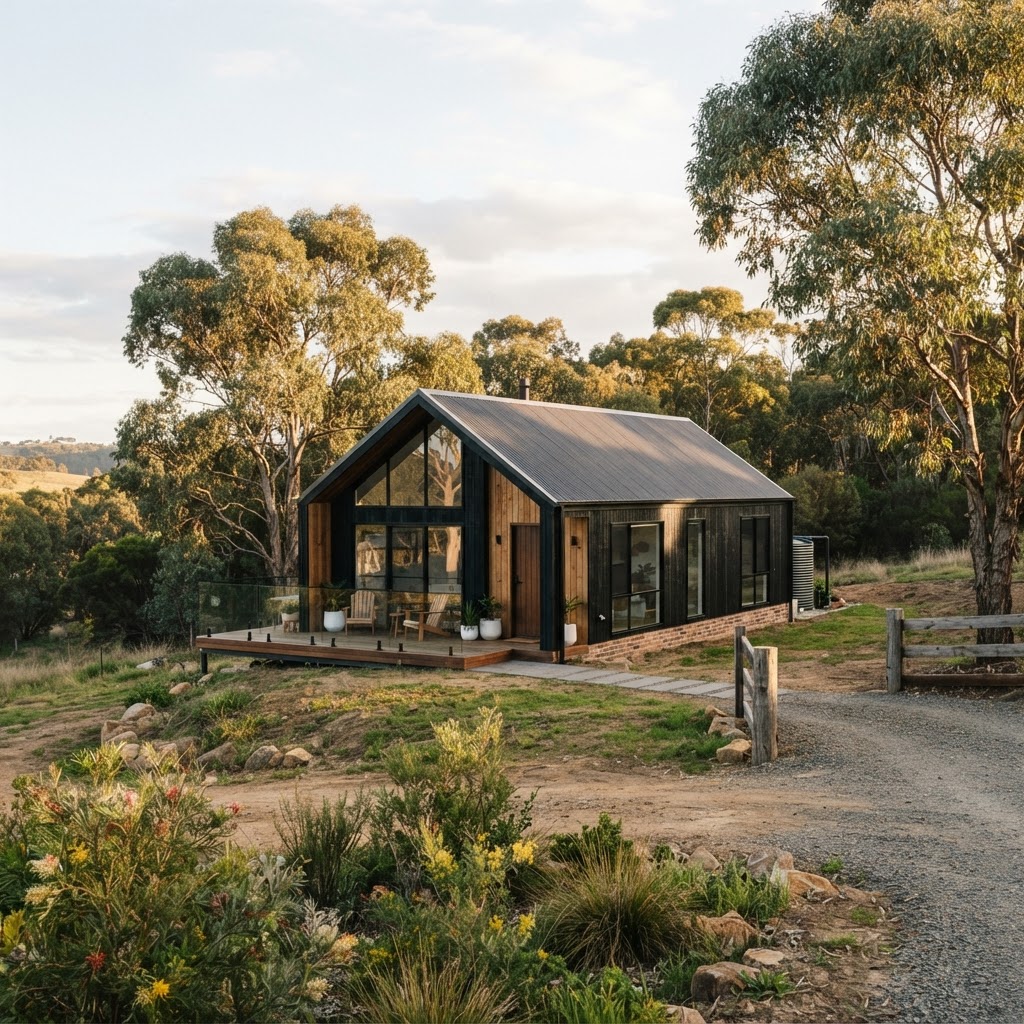
A rural cottage with a council-approved on-site wastewater system — a prerequisite for the building permit.

Common Septic System Types Compared

Which system suits your soil, lot, and budget.

SystemBest forCostMaintenance
Conventional trenchGood-draining soil, adequate spaceLowestPump-out every 1–5 years
Aerobic (ATU)Poor soil, small lots, irrigationModerateQuarterly/annual servicing
Sand filterHigher treatment standardModerate–highAnnual servicing
Mound systemHigh water table, poor soilHighAnnual servicing
Composting + grey waterLow water use, eco-focusedModerateBoth systems maintained

From our experience

From our experience, the septic system is the service that most often delays a rural cottage project — not because it's difficult, but because it's left late. Council septic approval takes 4–8 weeks, and the wastewater assessment needs to happen before the design.

We've seen customers on small rural lots discover that their lot can't support a conventional trench system. The only option was an ATU at double the cost. A wastewater assessment at the start would have revealed this before the budget was set.

Common Mistakes to Avoid

  1. 1

    Not doing a wastewater assessment early, then discovering the lot is too small for a conventional system.

  2. 2

    Assuming any soil will support a conventional trench — clay and high water tables need alternatives.

  3. 3

    Not applying for council septic approval in parallel with other approvals — it takes 4–8 weeks.

  4. 4

    Neglecting maintenance — a failed septic system is a health hazard and a costly remediation.

  5. 5

    Installing a composting toilet and forgetting that grey water still needs a council-approved system.

  6. 6

    Not checking setback distances before designing the disposal area.

  7. 7

    Assuming a septic system is 'install and forget' — ATUs in particular need regular servicing.

  8. 8

    Using unlicensed installers — septic installation must be done by a licensed plumber and council-approved.

What changes between states?

Requirements vary by jurisdiction — always confirm with your local authority.

StateNotes
VictoriaOn-site wastewater systems regulated by EPA Victoria under the Environment Protection Act 2017. Council issues the permit to install.
NSWLocal councils approve on-site sewage management systems under the Local Government Act 1993. NSW EPA provides guidelines.
QueenslandOn-site sewerage facilities regulated under the Plumbing and Drainage Act 2018. Local council approval required.
SA / TAS / WA / NTEach state has its own wastewater regulation framework. Setback distances and approved system types vary — check with your local council and state EPA.

When this guide doesn't apply

This guide may not apply if:

  • Your property has access to reticulated sewer — you must connect to mains rather than install a septic system.
  • Your property is a temporary or non-habitable structure with no plumbing — no wastewater system needed.
  • You're building outside Australia — wastewater regulations differ significantly by country.

Frequently Asked Questions

Do I need a septic system if I have a composting toilet?

Possibly — a composting toilet handles black water only. You still need to manage grey water (sinks, shower, laundry) with a council-approved grey water system. Some councils accept combined composting-plus-grey-water setups; check with yours.

How much land do I need for a septic system?

It depends on the soil, water table, and system type. A conventional absorption trench needs well-draining soil and adequate setback distance. Small or poorly-draining lots may need an ATU or mound system. A wastewater assessment confirms what's feasible.

Can I install a septic system myself?

No. Septic installation must be done by a licensed plumber and approved by council. The system must meet the wastewater design and EPA requirements. Unapproved systems can be ordered removed.

How long does septic approval take?

Council wastewater approval can take 4–8 weeks once a complete design is submitted. Start the wastewater assessment in parallel with other site investigations to avoid delays.

How often does a septic tank need pumping out?

It depends on the system and use — conventional tanks typically every 1–5 years, ATUs more frequently with scheduled servicing. Neglecting pump-out causes blockage and failure.

Septic System Preparation Checklist

A checklist for preparing your septic approval — the wastewater assessment, the system types, the setback distances, and the council application steps — so your wastewater is approved in parallel with your other approvals, without delaying your building permit.

This page provides general information about the pathway commonly followed in Victoria. Requirements vary by property, local government area, building classification and proposed use. Obtain site-specific advice before making financial commitments.

Reviewed by

Homes & Domes Victoria Technical Team

Last technical review

August 2026

Sources updated

August 2026

Last reviewed: July 2026 · Applicable jurisdiction: Victoria · General information only — not legal, planning or engineering advice.

Requirements vary by property, local government area, building classification and proposed use. Obtain site-specific advice before making financial commitments.